
Venue
Event Venue:
Hotel Alimara
Carrer de Berruguete, 126,
Horta-Guinardó, 08035 Barcelona, Spain
Why Choose This Venue?
Prime Location: Hotel Alimara is located in the peaceful Horta-Guinardó district of Barcelona, just 20–25 minutes from Barcelona–El Prat Airport (BCN) and well connected to the city center and major attractions.
Excellent Connectivity: The hotel is situated next to Mundet Metro Station (L3 – Green Line), providing direct access to Barcelona's city center, shopping districts, cultural landmarks, and transportation hubs.
Modern Facilities: The hotel is equipped with advanced conference amenities and offers comfortable, well-appointed accommodations to ensure a seamless event experience.
How to Reach the Venue?
By Taxi/Car: The hotel is approximately a 20–25 minutes from Barcelona–El Prat Airport.
Exclusive Accommodation Rates for Conference Attendees:
- Single Occupancy: USD 250 per night
- Double Occupancy: USD 280 per night
- Triple Occupancy: USD 300 per night
Check-In / Check-Out Timings:
- Check-In: 2:00 PM
- Check-Out: 12:00 PM
Room Inclusions:
- Complimentary Breakfast
- Complimentary Wi-Fi
Accommodation Booking:
Exclusive room rates for conference participants will be offered at Hotel Alimara, Carrer de Berruguete, 126,Horta-Guinardó, 08035 Barcelona, Spain. To reserve your room, please visit the registration page: https://addiction.irisscientificgroup.com/register
Attractions
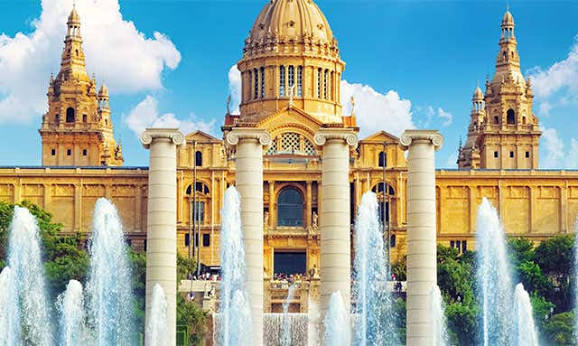
Montjuïc
This green hill above the port stacks an 18th-century hilltop castle, the Magic Fountain's evening water-and-light shows, and the Miró and Catalan art museums along one cable-car and funicular route. It's best treated as a slow, full day of moving between viewpoints rather than a quick stop.
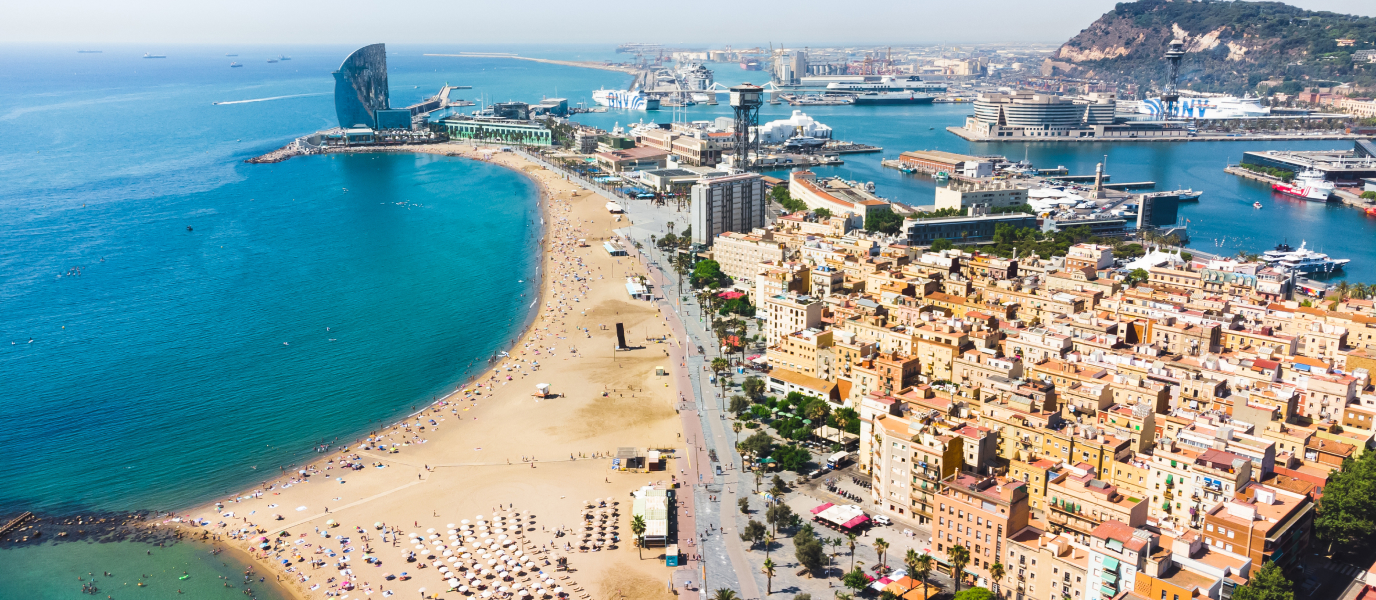
Barceloneta Beach
A wide stretch of golden sand just a short walk from the Gothic Quarter, backed by seafood chiringuitos and a promenade stretching for miles along the coast. Mornings draw lap swimmers and paddleboarders before the crowds arrive; by early afternoon, especially in summer, the sand fills in completely.
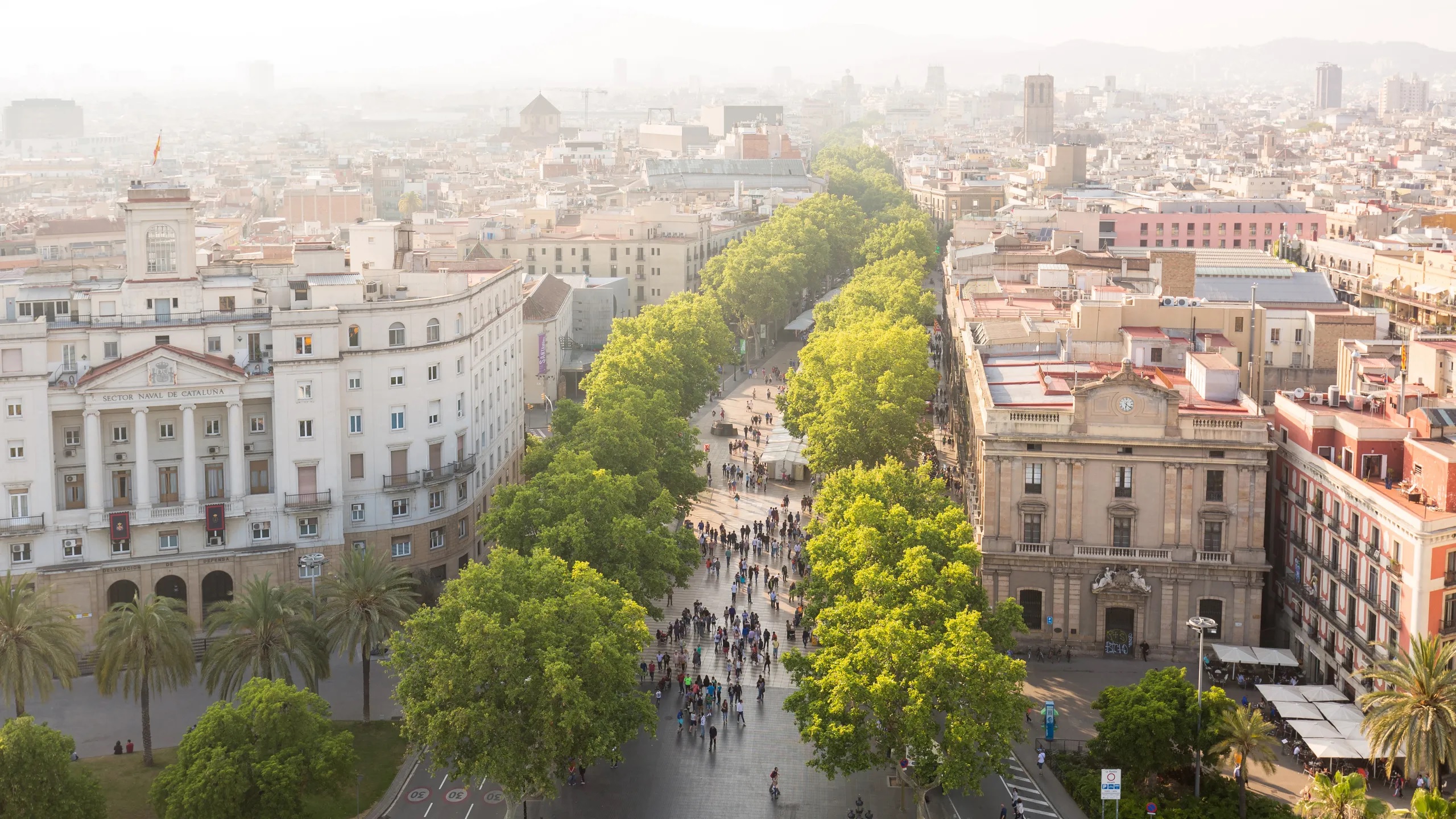
La Rambla
This half-mile, tree-shaded promenade runs from Plaça Catalunya down to the harbor, lined historically with flower stalls, street performers, and the Liceu opera house. It's Barcelona's best-known walk and its most touristy, so mornings or evenings suit it best — the real charm lies in the quieter side streets branching off.
.jpg)
Barri Gòtic (Gothic Quarter)
Barcelona's medieval core is a shadowed maze of narrow lanes, Roman wall fragments, and small plazas that open unexpectedly onto Gothic churches.
.jpg)
La Pedrera (Casa Mila)
Gaudí’s last major civil work looks quarried rather than constructed, its undulating grey stone front broken by wrought-iron balconies twisted like seaweed.
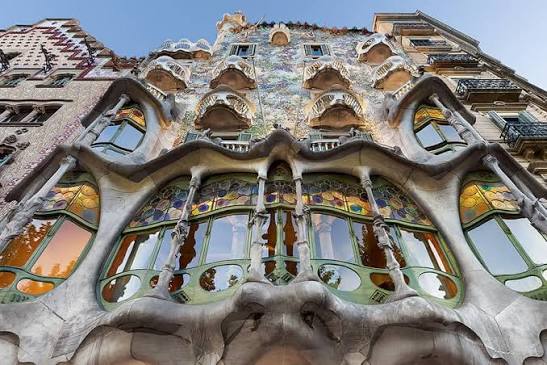
Casa Batlló
Gaudí reworked an ordinary Passeig de Gràcia apartment block into something closer to a living organism, with a rippling stone façade, bone-shaped balconies, and a scaled, dragon-back roofline forms.
Park Güell
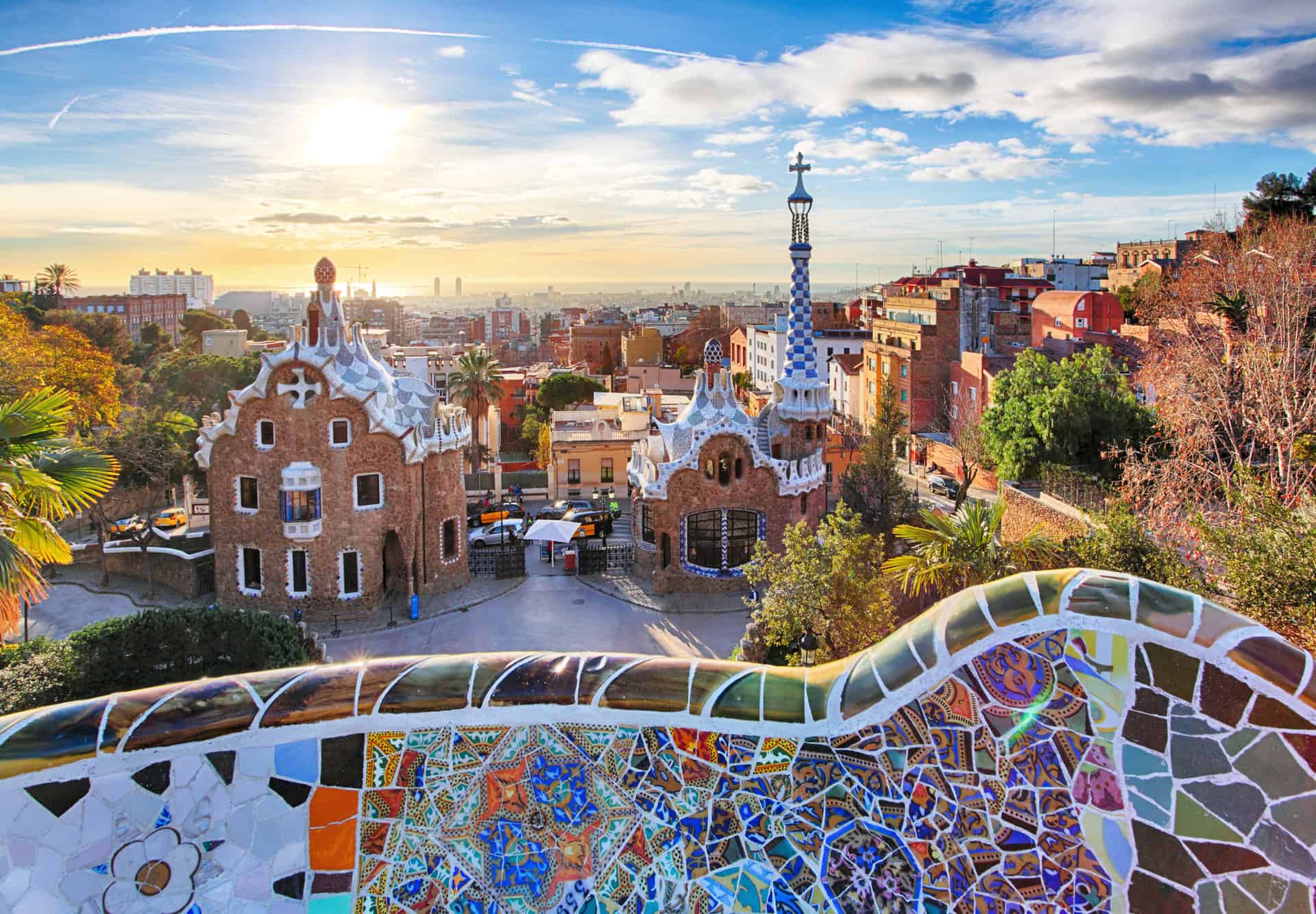
Once planned as an upscale garden city that never found buyers, this hillside park is now a free-flowing landscape of curved viaducts and colorful mosaic work. Its serpentine tiled bench wraps the main terrace, and a mosaic dragon guards the entrance stairway.
Sagrada Família
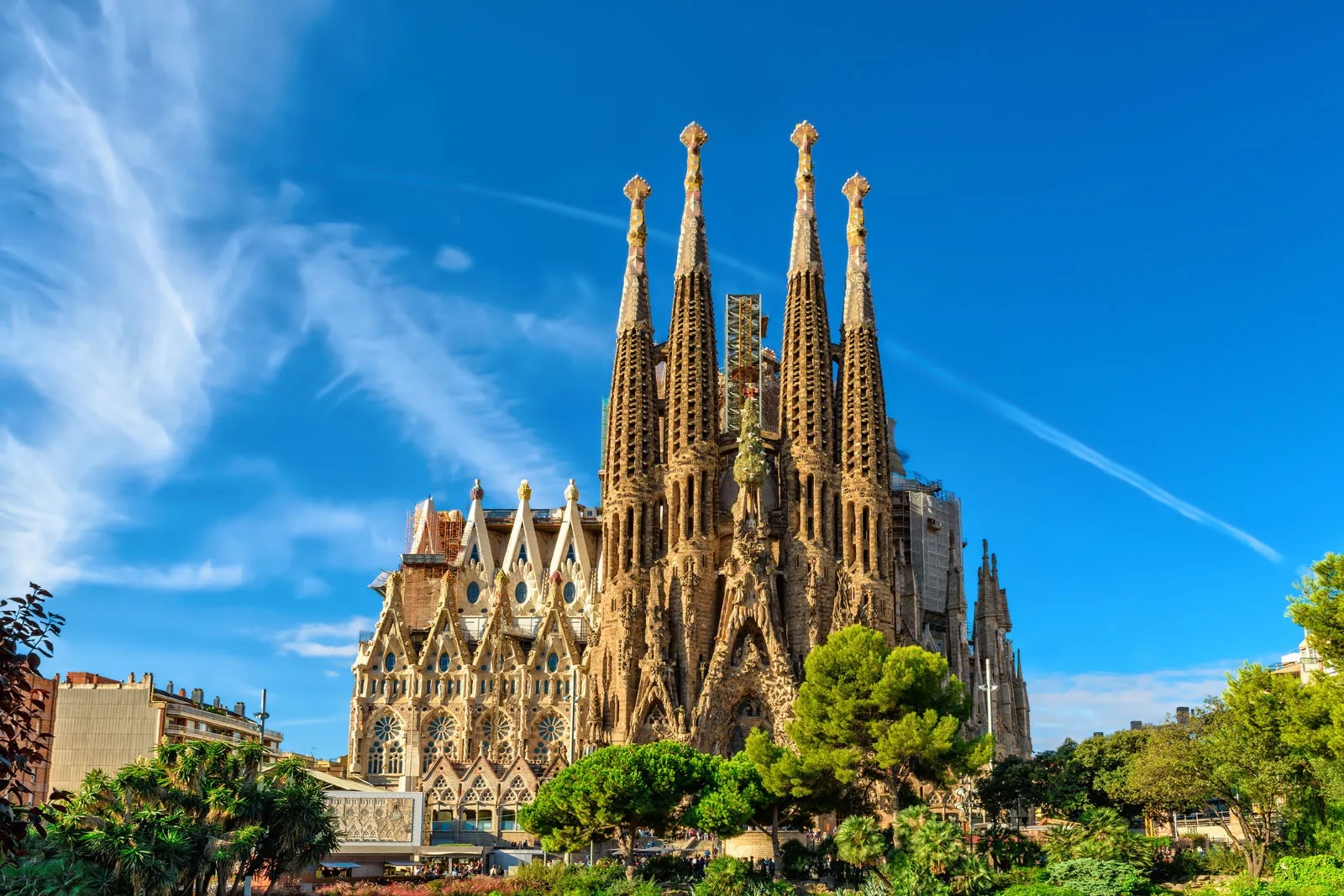
Antoni Gaudí's unfinished basilica has dominated the Eixample skyline for over a century. Its tapering stone towers and cavernous, tree-like nave still stop visitors mid-step.
Organizer

- 8 The Green, Suite R, Dover DE, 19901, United States
- +1 214 731 7766
- info@irisscientificgroup.com
Copyright © 2021 IRIS Scientific Group | All Rights Reserved Terms and Conditions | Privacy Policy