Conference Dates
August 24-26, 2026
The Global Conference on Addiction and Psychiatry (GAP 2026) is a premier international congress dedicated to advancing mental health and addiction care through innovation, research, and global collaboration. Scheduled for August 24–26, 2026, in London, UK, this hybrid event offers the flexibility for participants to attend either in person or virtually from anywhere in the world.
With the theme “Innovations in Psychiatry and Addiction Care: From Research to Recovery,” GAP 2026 will bring together leading psychiatrists, psychologists, addiction specialists, neuroscientists, researchers, and healthcare professionals to share insights, present pioneering research, and discuss strategies to address the challenges in psychiatry and addiction medicine.
The congress will feature keynote lectures, scientific presentations, interactive panel discussions, and workshops, providing a dynamic platform for learning and collaboration. From exploring advancements in neuroscience and psychiatric therapies to addressing the societal and clinical challenges of addiction recovery, GAP 2026 will foster knowledge exchange that drives innovation and transforms care practices globally.
Addiction Medicine and Recovery Science is a core scientific session that explores substance use disorders as complex, chronic brain and behavioral conditions influenced by biological, psychological, and social factors. This session examines the neurobiological mechanisms underlying addiction, including reward circuitry, neurotransmitter dysregulation, genetic vulnerability, and stress-related pathways. Participants will gain insights into how substances such as alcohol, opioids, stimulants, and emerging addictive behaviors alter brain function and decision-making. The session integrates current research on diagnostic frameworks, biomarkers, and risk stratification, supporting early identification and precision-based treatment planning. As a key component of an international addiction and psychiatry conference, this track bridges neuroscience and clinical practice to improve patient outcomes across diverse populations.
The session at addiction and psychiatry conferences further emphasizes evidence-based treatment strategies, including medication-assisted treatment (MAT), cognitive behavioral therapy, motivational interviewing, and trauma-informed care. Special focus is placed on dual diagnosis, where addiction coexists with psychiatric disorders such as depression, anxiety, bipolar disorder, and schizophrenia. Experts will discuss integrated care models that align mental health and addiction services, reducing relapse rates and improving functional recovery. Recovery science topics include relapse prevention, peer support systems, digital therapeutics, and long-term recovery monitoring. Public health perspectives—such as harm reduction, policy development, stigma reduction, and community-based interventions—are also explored. Designed for clinicians, researchers, psychologists, and policymakers attending leading psychiatry and addiction conferences, this session highlights translational research and scalable solutions that advance recovery-oriented systems of care globally.
Key Highlights
Why This Session Is Important?
Addiction Medicine and Recovery Science is essential for advancing evidence-based, compassionate, and integrated care for substance use disorders. By combining neuroscience, psychiatry, and recovery research, this session equips professionals with practical tools to address addiction as a treatable medical condition, reduce stigma, and improve long-term recovery outcomes at both individual and population levels.
Advances in Psychiatry and Mental Health focuses on the rapid scientific and clinical developments transforming the understanding, diagnosis, and treatment of mental health disorders. This session highlights progress in neurobiology, genetics, and brain imaging that has reshaped how conditions such as depression, anxiety disorders, bipolar disorder, schizophrenia, and trauma-related illnesses are conceptualized. Participants will explore how neural circuits, inflammatory pathways, and gene–environment interactions contribute to psychiatric vulnerability and resilience. Emphasis is placed on translational research that bridges laboratory discoveries with real-world clinical practice, making this session a central pillar of any global psychiatry and mental health conference.
The session at psychiatry conferences also examines innovations in treatment and care delivery, including precision psychiatry, novel pharmacological agents, and advanced psychotherapeutic approaches. Topics include personalized treatment planning based on biomarkers, digital phenotyping, and patient-reported outcomes. Experts will discuss the expanding role of telepsychiatry, mobile mental health applications, and artificial intelligence in improving access, early detection, and continuity of care. Preventive psychiatry, early intervention strategies, and community-based mental health models are explored to address the growing global burden of mental illness. Special attention is given to stigma reduction, health equity, and culturally responsive mental health services. Designed for psychiatrists, psychologists, researchers, and mental health professionals attending leading mental health and psychiatry conferences, this session provides evidence-based insights and future-focused strategies to enhance patient-centered, ethical, and sustainable mental health care worldwide.
Key Highlights
Why This Session Is Important?
Advances in Psychiatry and Mental Health is vital for addressing the increasing global demand for effective, accessible, and evidence-based mental health care. This session equips professionals with cutting-edge knowledge and practical approaches to improve diagnosis, treatment outcomes, and quality of life while shaping the future direction of psychiatric practice and research.
The Neuroscience of Addiction and Behavioral Disorders session explores the brain-based mechanisms that drive compulsive substance use and maladaptive behaviors. This session provides an in-depth examination of how reward circuitry, dopamine signaling, executive control networks, and emotional regulation systems interact to influence motivation, craving, and relapse. Participants will gain insights into how repeated exposure to substances or reinforcing behaviors reshapes neural pathways through neuroplastic changes, altering decision-making and self-control. The session at neuroscience conferences integrates findings from neuroimaging, molecular neuroscience, and cognitive neuroscience to advance understanding of substance use disorders and behavioral addictions such as gambling disorder, internet gaming disorder, and compulsive behaviors. As a key component of a global addiction and psychiatry conference, this track bridges fundamental neuroscience with clinical relevance.
Building on core mechanisms, the session highlights genetic, epigenetic, and developmental factors that confer vulnerability or resilience to addiction and behavioral disorders. Experts will discuss how stress, trauma, and early-life adversity disrupt neural development and increase risk for comorbid psychiatric conditions. Translational research will be emphasized, showcasing how discoveries in synaptic plasticity, neuromodulation, and brain–behavior relationships inform novel therapeutic targets. Topics include neuromodulatory interventions, cognitive training, pharmacological innovations, and emerging digital and brain-based therapies. Ethical considerations and future directions in personalized interventions are also addressed. Designed for neuroscientists, clinicians, psychologists, and researchers attending leading neuroscience and mental health conferences, this session delivers a comprehensive, evidence-based perspective on how brain science can inform prevention, diagnosis, and effective treatment strategies for addiction-related behavioral disorders.
Key Highlights
Why This Session Is Important?
This session is crucial for advancing a brain-based understanding of addiction and behavioral disorders. By translating neuroscience discoveries into clinical and preventive strategies, it supports the development of more precise, effective, and personalized interventions that improve outcomes and reduce the global burden of addictive and compulsive behaviors.
Dual Diagnosis: Substance Use and Psychiatric Disorders addresses the complex clinical reality in which individuals experience both substance use disorders and co-occurring mental health conditions. This session examines the shared neurobiological pathways, genetic vulnerabilities, and psychosocial determinants that contribute to comorbidity between addiction and psychiatric disorders such as depression, anxiety, bipolar disorder, schizophrenia, PTSD, and personality disorders. Participants will explore challenges in differential diagnosis, symptom overlap, and the bidirectional relationship between substance use and mental illness. Emphasis is placed on evidence-based assessment frameworks and early identification strategies that improve diagnostic accuracy and treatment planning. As a critical component of leading addiction and psychiatry conferences, this session integrates neuroscience, psychiatry, and behavioral science to support comprehensive care models.
The session further focuses on integrated treatment approaches that simultaneously address substance use and psychiatric symptoms. Topics include coordinated pharmacological management, psychotherapy, trauma-informed care, and multidisciplinary team-based interventions. Experts will discuss best practices in managing complex cases, including medication interactions, treatment adherence, and risk of relapse. Recovery-oriented models, continuity of care, and community-based mental health services are highlighted as essential components for long-term outcomes. The role of digital health tools, peer support, and family-centered interventions in sustaining recovery will also be explored. Designed for psychiatrists, addiction specialists, psychologists, and mental health professionals attending global mental health and addiction conferences, this session provides practical, evidence-driven insights to improve clinical outcomes, reduce hospitalization rates, and enhance quality of life for individuals living with dual diagnosis.
Key Highlights
Why This Session Is Important?
Dual diagnosis represents one of the greatest challenges in mental health and addiction care. This session is essential for equipping professionals with integrated, evidence-based approaches that address both conditions simultaneously, leading to improved recovery outcomes, reduced relapse, and more effective, patient-centered mental health services.
Psychopharmacology and Novel Therapeutics highlights the rapidly evolving landscape of psychiatric medication development and innovative treatment strategies. This session explores advances in understanding neurotransmitter systems, neural circuits, and molecular targets that underpin the pharmacological management of psychiatric disorders. Participants will examine contemporary and emerging psychotropic agents used in the treatment of depression, anxiety disorders, bipolar disorder, schizophrenia, and substance use–related conditions. Emphasis is placed on mechanisms of action, pharmacokinetics, pharmacodynamics, and the translation of preclinical research into clinical applications. As a core component of international psychiatry and mental health conferences, this session connects neuroscience discovery with evidence-based clinical practice.
The session at psychiatry conferences also focuses on novel and next-generation therapeutics transforming psychiatric care. Topics include precision psychopharmacology, biomarker-guided treatment selection, and individualized dosing strategies aimed at improving efficacy and reducing adverse effects. Emerging treatments such as psychedelic-assisted therapy, neurosteroids, glutamatergic agents, and biologics are discussed alongside regulatory, ethical, and safety considerations. Experts will address medication adherence, polypharmacy, and management of drug–drug interactions in complex clinical populations, including those with dual diagnosis. Designed for psychiatrists, clinical researchers, pharmacologists, and mental health professionals attending leading psychiatry conferences, this session provides practical insights into optimizing treatment outcomes, accelerating innovation, and shaping the future of psychiatric therapeutics through safe, personalized, and scientifically grounded approaches.
Key Highlights
Why This Session Is Important?
Psychopharmacology and Novel Therapeutics is essential for advancing effective and personalized psychiatric treatment. By integrating cutting-edge research with clinical expertise, this session empowers professionals to deliver safer, more targeted therapies while driving innovation in mental health care and improving patient outcomes.
Behavioral Therapies and Cognitive Approaches focuses on evidence-based psychological interventions that form the cornerstone of modern mental health and addiction treatment. This session explores the theoretical foundations and clinical applications of cognitive and behavioral therapies used to address a wide range of psychiatric disorders, including depression, anxiety disorders, substance use disorders, trauma-related conditions, and behavioral addictions. Participants will examine how cognitive distortions, maladaptive behaviors, emotional dysregulation, and learned patterns contribute to psychological distress. Emphasis is placed on structured, skills-based interventions that promote self-awareness, adaptive coping, and sustainable behavioral change. As a central theme in leading psychiatry and mental health conferences, this session integrates research and clinical practice to enhance therapeutic effectiveness.
The session also highlights advancements in third-wave behavioral therapies such as Acceptance and Commitment Therapy (ACT), Dialectical Behavior Therapy (DBT), and mindfulness-based interventions. Experts will discuss trauma-informed care, emotion regulation strategies, and cognitive rehabilitation approaches tailored to diverse clinical populations. Special attention is given to integrative treatment models that combine psychotherapy with pharmacological and psychosocial interventions for improved outcomes. The growing role of digital mental health tools—including online therapy platforms, mobile applications, and AI-assisted behavioral interventions—is also explored. Designed for psychologists, psychiatrists, counselors, and mental health professionals attending global mental health and psychiatry conferences, this session provides practical frameworks, clinical insights, and future-oriented strategies to support patient-centered, accessible, and evidence-driven psychological care.
Key Highlights
Why This Session Is Important?
Behavioral Therapies and Cognitive Approaches are fundamental to effective mental health and addiction care. This session equips professionals with evidence-based tools to promote lasting psychological change, improve treatment outcomes, and expand access to high-quality psychotherapy across diverse clinical settings.
Alcohol Addiction: Challenges and Treatments examines alcohol use disorder as a complex, chronic condition with significant medical, psychological, and social consequences. This session explores the neurobiological mechanisms of alcohol dependence, including alterations in reward pathways, stress systems, and executive control networks. Participants will gain insights into global and regional epidemiology, risk factors, and patterns of harmful alcohol use across different populations. Emphasis is placed on early screening, accurate diagnosis, and severity assessment using validated clinical tools. The session also addresses alcohol-related medical complications such as liver disease, cardiovascular disorders, and cognitive impairment, positioning this track as a vital component of an international addiction and psychiatry conference.
The session at addiction and psychiatry conferences further focuses on evidence-based treatment strategies for alcohol addiction, combining pharmacological, psychological, and psychosocial approaches. Topics include the use of approved medications for alcohol dependence, management of withdrawal and craving, and individualized treatment planning. Experts will discuss behavioral therapies such as cognitive behavioral therapy, motivational enhancement therapy, and family-based interventions that support sustained abstinence or harm reduction. Special attention is given to co-occurring psychiatric disorders, including depression, anxiety, and trauma-related conditions, which frequently complicate treatment outcomes. Recovery-oriented care models, relapse prevention strategies, peer support, and community-based programs are explored to promote long-term recovery. Public health perspectives—such as prevention, stigma reduction, policy interventions, and population-level strategies—are also addressed. Designed for clinicians, researchers, counselors, and public health professionals attending leading addiction and mental health conferences, this session provides practical, evidence-driven guidance to improve treatment effectiveness and reduce the global burden of alcohol addiction.
Key Highlights
Why This Session Is Important?
Alcohol addiction remains one of the leading causes of preventable illness and mortality worldwide. This session is essential for equipping professionals with integrated, evidence-based approaches to address clinical challenges, improve recovery outcomes, and support effective prevention and treatment strategies at both individual and population levels.
Drug Abuse, Opioid Crisis and Harm Reduction addresses one of the most urgent public health challenges of our time. This session examines the scope and drivers of substance misuse, with a focused lens on opioids, polysubstance use, and overdose mortality. Participants will explore the neurobiological mechanisms of opioid dependence, tolerance, and withdrawal, alongside social determinants such as pain management practices, illicit drug markets, socioeconomic vulnerability, and trauma. Emphasis is placed on surveillance data, risk assessment, and early intervention strategies that inform prevention and clinical decision-making. As a key track within leading addiction and psychiatry conferences, this session integrates neuroscience, epidemiology, and health systems research to contextualize the crisis across diverse regions and populations.
The session at addiction and psychiatry conferences further highlights evidence-based responses, including medication-assisted treatment (MAT), overdose prevention, and harm reduction models that prioritize safety, dignity, and access to care. Topics include the use of opioid agonist and antagonist therapies, naloxone distribution, syringe services, supervised consumption approaches, and drug checking technologies. Experts will discuss integrating harm reduction with mental health services, addressing co-occurring psychiatric disorders, and improving care transitions from emergency and correctional settings. Policy frameworks, ethical considerations, and stigma reduction strategies are examined to support scalable, community-centered solutions. Recovery-oriented systems of care, peer-led interventions, and digital tools for monitoring and engagement are also explored. Designed for clinicians, researchers, policymakers, and public health professionals attending global addiction and mental health conferences, this session provides practical, data-driven insights to reduce overdose deaths, improve treatment retention, and advance compassionate, effective responses to drug abuse and the opioid crisis.
Key Highlights
Why This Session Is Important?
This session is critical for translating evidence into action during a global substance use emergency. By uniting clinical care, harm reduction, and policy perspectives, it equips professionals to reduce overdose deaths, expand access to treatment, and build humane, effective systems of care that save lives and support long-term recovery.






Stony Brook University, United States
Podesta Wellness, United States

St George's University of London, United Kingdom

New Horizons Therapy Services, United Kingdom

The RedPath Wellness Centre, Canada

Independent work psychologist, France

PhytoElixir Pvt .Ltd., India

Manav Rachna International Institute of Research and Studies (MRIIRS), India

La Trobe University, Australia

Pushpagiri Institute of medical Sciences and research centre, India
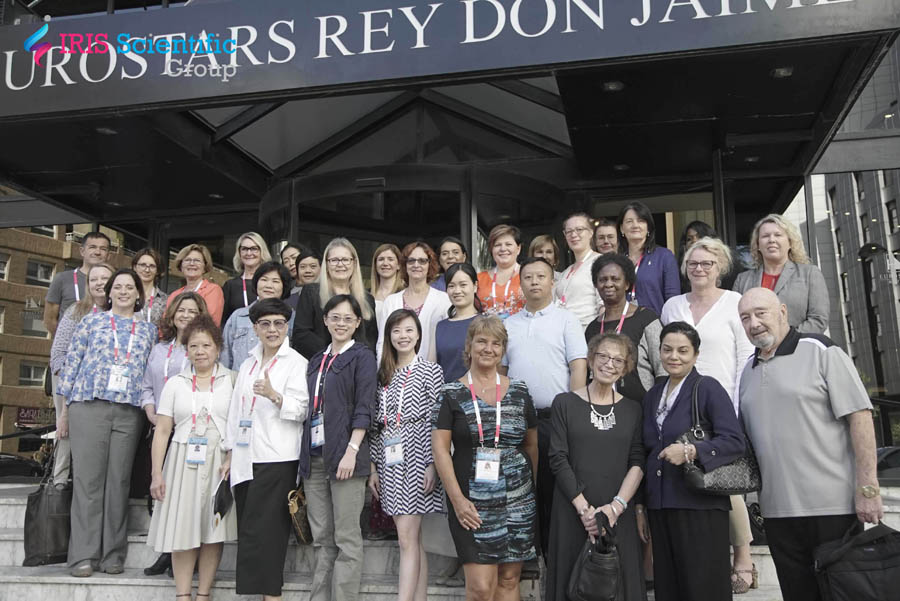
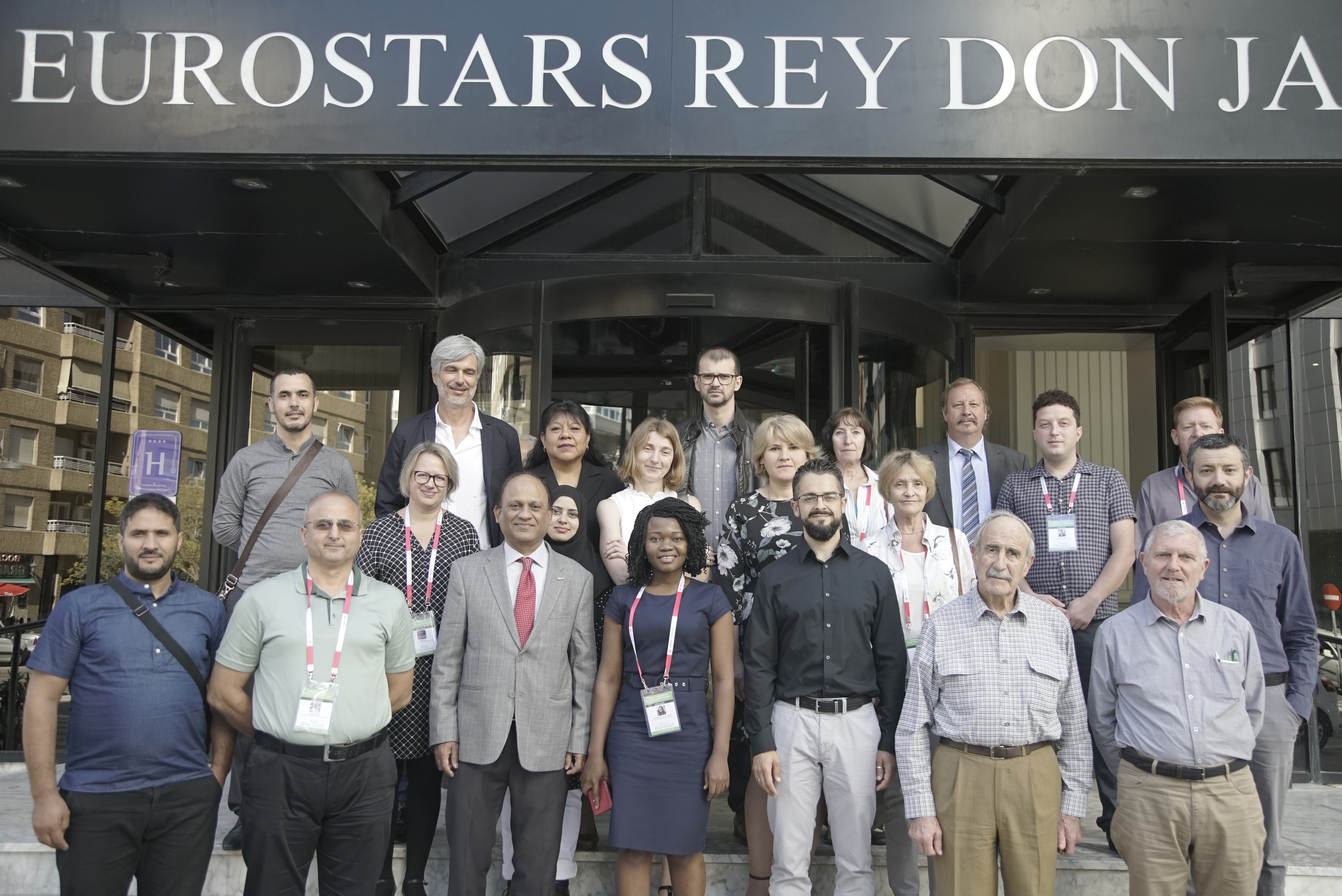
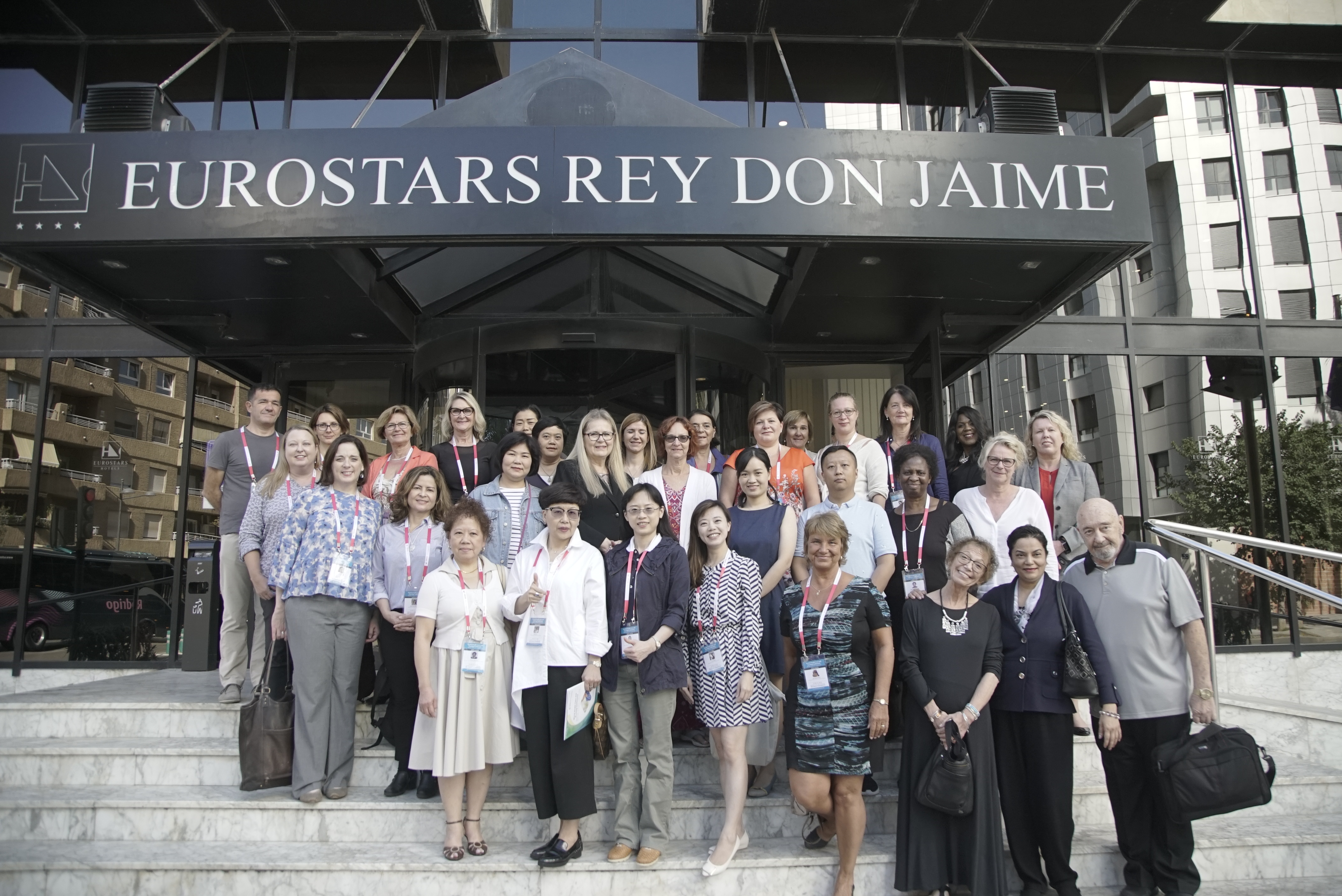
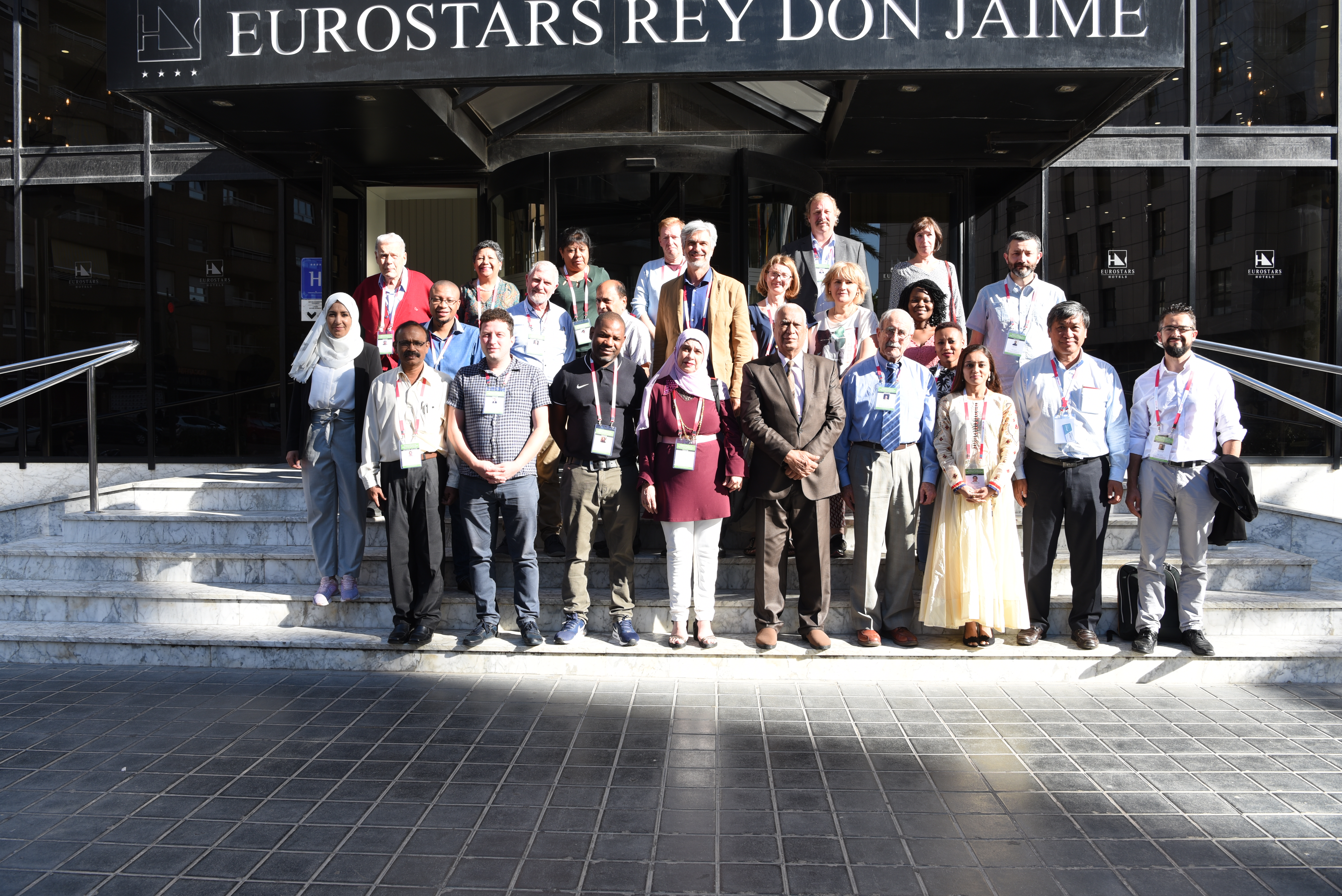
Iris Scientific Group takes great pride in announcing the successful outcome of the World Health Care and Nursing Conference (WHCN 2019) which was held in Valencia, Spain from September 23-25, 2019.
For WHCN 2019 Final Program: Click here
For WHCN 2019 Proceedings: Click Here
For WHCN 2019 Gallery: Click Here
In 2019 we were honored with the presence of renowned session leaders and keynote speakers worldwide. We want to thank the scientific committee for their dedicated participation, intellectual expertise, and their high-quality presentations.
Organizing Committee of WHCN 2019:
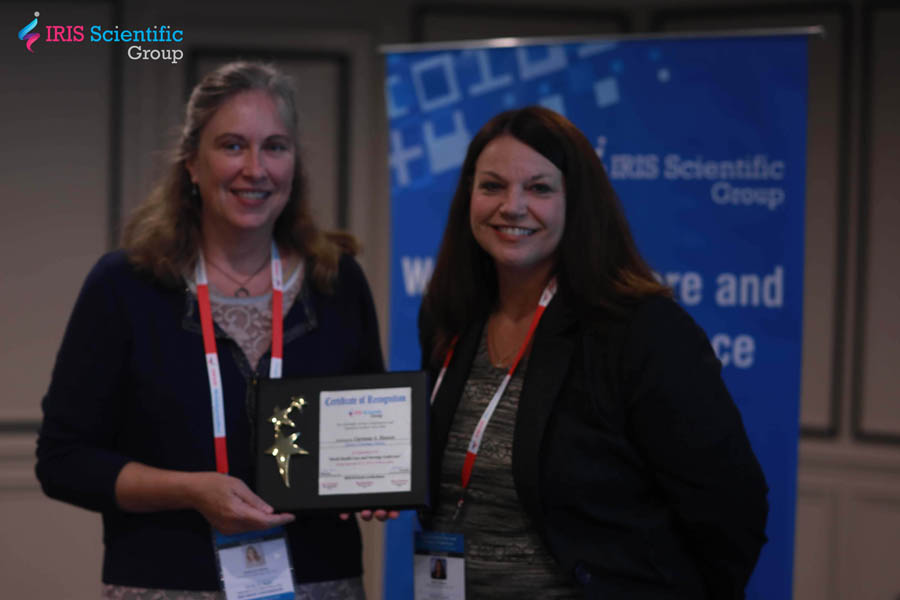
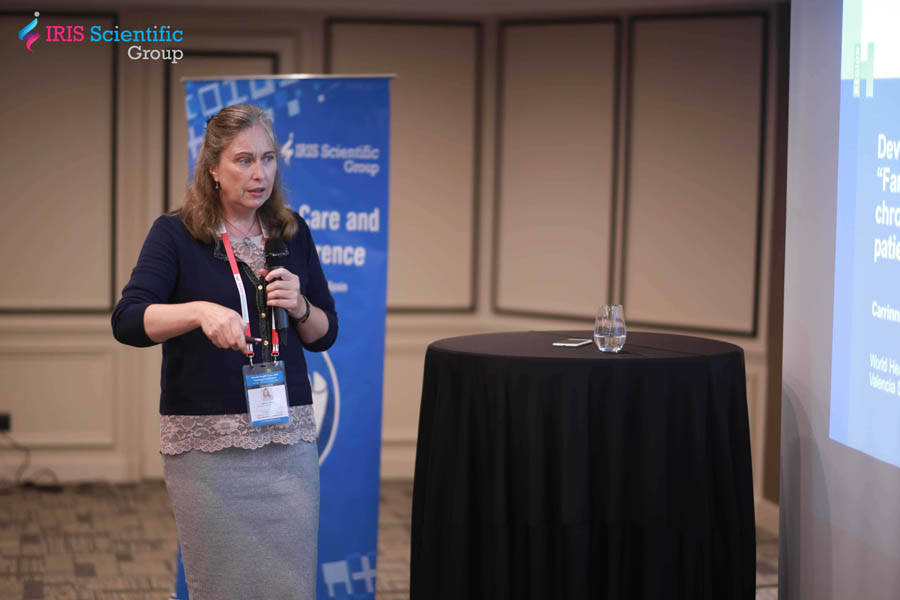
The Organizing Committee would like to thank the moderators Angela O'Connor, King Edward Memorial Hospital, Australia, and Carrinna A. Hansen, University of Copenhagen, Denmark for their contribution which ensued in the smooth functioning of the conference.
Iris Scientific Group is prerogative to thank the Organizing Committee Members, Keynote speakers; Chairs on engross the plenary sessions, workshops, and special sessions in an expanded manner to make this conference a privileged.
Nursing Conference 2019 Keynote Speakers:
Nursing Conference Speakers:
Nursing Conference 2019 Workshops:
Cynthia Horton, Cecil College, USA
Merita Kaunisto, Kuopio University Hospital, Finland
Hanna-Mari Nevala, Savonia University of Applied Sciences, Finland
Tiina Arpola, Savonia University of Applied Sciences, Finland
Nursing Conference 2019 Poster Presenters:
We congratulate the Best poster award winner Chantira Chiaranai, Suranaree University of Technology, Thailand. We would also like to thank Cynthia Horton, Cecil College, USA who supported us by evaluating the posters.
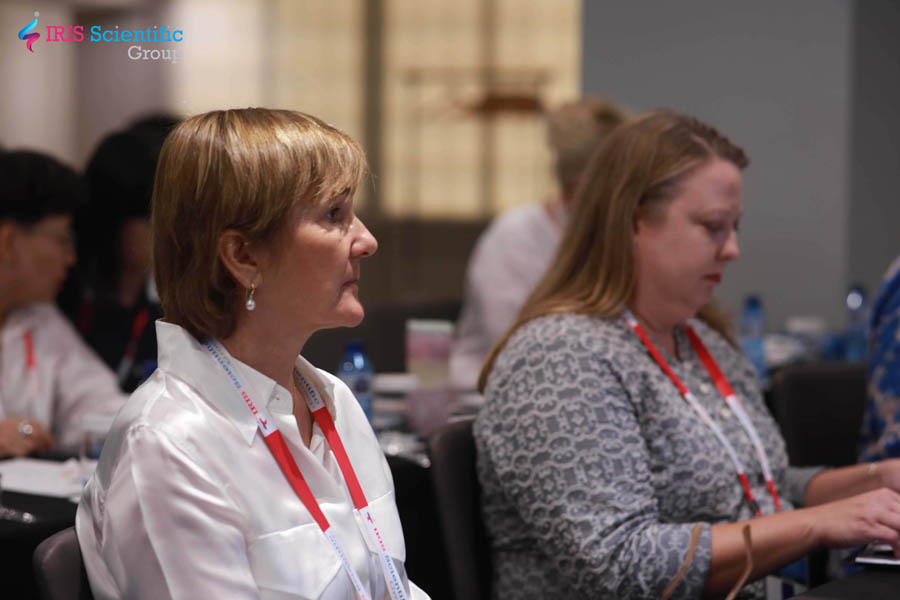
We thank all the participants for their magnificent contribution towards the event which facilitated us for the successful accomplishment of this event.
We greatly hope to see you again, with added vigor and with your other colleagues in "3rd International Nursing Networking Conference (INNC-2025)" during April 23-25, 2025, at Las Vegas, USA, and in Virtual format.
Iris Scientific Group takes great pride in announcing the successful outcome of the World Catalysis and Chemical Engineering Network Congress (WCCN 2025) which was held in Virtual Mode from April 23-25, 2025.
For WCCN 2025 Final Program: Click Here
In 2025 we were honored with the presence of renowned session leaders and keynote speakers worldwide. We want to thank the scientific committee for their dedicated participation, intellectual expertise, and their high-quality presentations.
Organizing Committee of WCCN 2025:
The Organizing Committee would like to thank the moderators Maria Jose Lavorante, Institution of Scientific and Technological Research for Defense, Argentina and Rahul Hajare, Sandip University, India for their contribution which ensued in the smooth functioning of the conference.
Iris Scientific Group is prerogative to thank the Organizing Committee Members, Keynote speakers; Chairs on engross the plenary sessions, workshops, and special sessions in an expanded manner to make this conference a privileged.
WCCN 2025 Keynote Speakers:
WCCN 2025 Plenary Speakers:
WCCN 2025 Speakers:
We thank all the participants for their magnificent contribution towards the event which facilitated us for the successful accomplishment of this event.
We greatly hope to see you again, with added vigor and with your other colleagues in “2nd World Catalysis and Chemical Engineering Network Congress (WCCN 2026)” during April 22-24, 2026. WCCN 2026 will be a hybrid event, offering both in-person and virtual participation options, allowing attendees to engage from anywhere in the world.
Iris Scientific Group takes great pride in announcing the successful outcome of the 3rd International Nursing Networking Conference (INNC 2025) which was held in Virtual Mode from April 23-25, 2025.
For INNC 2025 Final Program: Click Here
In 2025 we were honored with the presence of renowned session leaders and keynote speakers worldwide. We want to thank the scientific committee for their dedicated participation, intellectual expertise, and their high-quality presentations.
Organizing Committee of INNC 2025:
The Organizing Committee would like to thank the moderators Sofica Bistriceanu, Academic Medical Unit - CMI, Romania, and Anum Fatima, Chiang Mai University, Thailand for their contribution which ensued in the smooth functioning of the conference.
Iris Scientific Group is prerogative to thank the Organizing Committee Members, Keynote speakers; Chairs on engross the plenary sessions, workshops, and special sessions in an expanded manner to make this conference a privileged.
INNC 2025 Keynote Speakers:
INNC 2025 Speakers:
INNC 2025 Poster Presenters:
We thank all the participants for their magnificent contribution towards the event which facilitated us for the successful accomplishment of this event.
We greatly hope to see you again, with added vigor and with your other colleagues in “4th International Nursing Networking Conference (INNC 2026)” during April 13-15, 2026. INNC 2026 will be a hybrid event, offering both in-person and virtual participation options, allowing attendees to engage from anywhere in the world.
Iris Scientific Group takes great pride in announcing the successful outcome of the International Cancer Conference (ICC 2025) which was held in Virtual Mode from November 27-29, 2025.
For ICC 2025 Final Program: Click Here
In 2025 we were honored with the presence of renowned session leaders and keynote speakers worldwide. We want to thank the scientific committee for their dedicated participation, intellectual expertise, and their high-quality presentations.
Organizing Committee of ICC 2025:
The Organizing Committee would like to thank the moderators Don Mathew, Pacific Medical College & Hospital, India for his contribution which ensued in the smooth functioning of the conference.
Iris Scientific Group is prerogative to thank the Organizing Committee Members, Keynote speakers; Chairs on engross the plenary sessions, workshops, and special sessions in an expanded manner to make this conference a privileged.
ICC 2025 Keynote Speakers:
ICC 2025 Speakers:
We thank all the participants for their magnificent contribution towards the event which facilitated us for the successful accomplishment of this event.
We greatly hope to see you again, with added vigor and with your other colleagues in “2nd Edition of International Cancer Conference (ICC 2026)” during November 09-11, 2026. ICC 2026 will be a hybrid event, offering both in-person and virtual participation options, allowing attendees to engage from anywhere in the world.
Iris Scientific Group takes great pride in announcing the successful outcome of the Global Conference on Material Science and Nanotechnology (GCMN 2025) which was held in Virtual Mode from April 28-30, 2025.
For GCMN 2025 Final Program: Click Here
In 2025 we were honored with the presence of renowned session leaders and keynote speakers worldwide. We want to thank the scientific committee for their dedicated participation, intellectual expertise, and their high-quality presentations.
Organizing Committee of GCMN 2025:
The Organizing Committee would like to thank the moderators Santoshi Misra, St. Ann's College for women, India for her contribution which ensued in the smooth functioning of the conference.
Iris Scientific Group is prerogative to thank the Organizing Committee Members, Keynote speakers; Chairs on engross the plenary sessions, workshops, and special sessions in an expanded manner to make this conference a privileged.
GCMN 2025 Keynote Speakers:
GCMN 2025 Plenary Speakers:
GCMN 2025 Speakers:
GCMN 2025 Poster Presenters:
We thank all the participants for their magnificent contribution towards the event which facilitated us for the successful accomplishment of this event.
We greatly hope to see you again, with added vigor and with your other colleagues in “2nd Global Conference on Material Science and Nanotechnology (GCMN 2026)” during April 13-15, 2026.
GCMN 2026 will be a hybrid event, offering both in-person and virtual participation options, allowing attendees to engage from anywhere in the world.
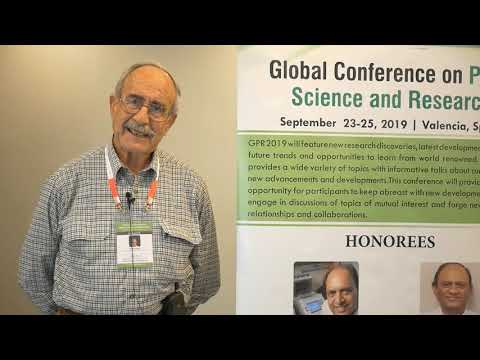
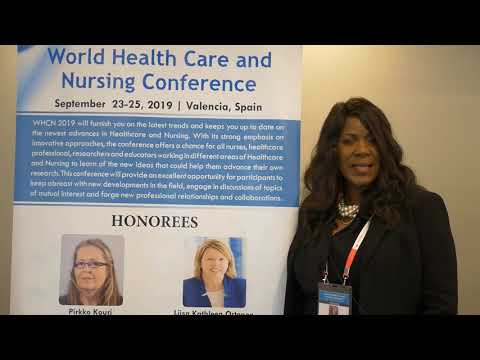
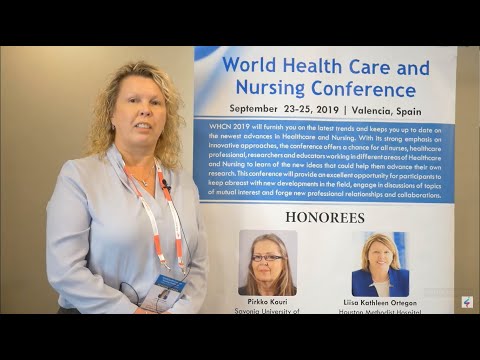
Thank YOU! For a wonderful experience. I met so many amazing people from all over the world and many of us bonded going forward. All the presentations were full of new and exciting things to hear and the hotel was just lovely. I enjoyed every minute.
 Penny Daugherty
Northside Hospital Cancer Institute, USA
Penny Daugherty
Northside Hospital Cancer Institute, USA
I met some extraordinary nurses from all over and was so impressed with their work
 Elaine Clear
St Vincent's University Hospital, Ireland
Elaine Clear
St Vincent's University Hospital, Ireland
Such a distinguished conference and the entire magnificent organization
 Elena Baixauli Gallego
University of Valencia, Spain
Elena Baixauli Gallego
University of Valencia, Spain
Overall, the Conference was a success. Interesting topics and excellent speakers
 Elvessa Narvasa
Canadian Council of Cardiovascular Nurses, Canada
Elvessa Narvasa
Canadian Council of Cardiovascular Nurses, Canada
Thank you very much for a nice and interesting conference in Valencia, I really enjoyed it!
 Carrinna A. Hansen
University of Copenhagen, Denmark
Carrinna A. Hansen
University of Copenhagen, Denmark
The conference added value to me on medical robots as I would like to apply them to Zambia.
 Margaret C. Maimbolwa
University of Zambia, Zambia
Margaret C. Maimbolwa
University of Zambia, Zambia
An amazing scientifically enriching continued professional development meaningful experience with a brilliant platform for dynamic collaborations with interactive discussions and expert opinion-insights offering fascinating translational/public health avenues for evidence-based novel immunotherapy regimens and eventual design of predictive biomarkers for cost-effective disease management of inflammatory diseases with emphasis on evidence-based health management viz. gynecologic disorders/diseases in women of diverse genetic landscapes and lifestyles.
 Saumya Pandey
Indira IVF Hospital, India
Saumya Pandey
Indira IVF Hospital, India
The INNC platform provides information from various fields in healthcare for nurses, researchers, educators, administrators, policymakers, and students to improve their knowledge and experiences. In this new digital era, exchanging information in a real and virtual community promises to be a more efficient and attractive way to enrich our lives, foster meaningful relationships, and build a comprehensive and informative database for a better inner world and existence. Participation in these events gratifies people with credentials, recognizing their involvement in learning and contribution to science advancement.
 Sofica Bistriceanu
Academic Medical Unit - CMI, Romania
Sofica Bistriceanu
Academic Medical Unit - CMI, Romania
Dear colleagues, thank you for the honor and opportunity to participate in the conference! As always, the geography of the participants, the diversity of topics, and the breadth of interests are pleasing. Various aspects related to nursing, teaching methods, and preventive medicine were important. Such a broad exchange of opinions serves mutual enrichment, deepening mutual understanding, and international cooperation. I wish you further success and prosperity!
 Petrova Nataliya
Saint Petersburg State I. P. Pavlov Medical University, Russian Federation
Petrova Nataliya
Saint Petersburg State I. P. Pavlov Medical University, Russian Federation
Thank you for allowing me to participate in the conference. It was indeed an honor to share information with colleagues from around the world in a virtual setting. By using this technology platform, we are able to become more engaged and immersed in clinical research which truly can make an impact on future clinical practice. I am looking forward to the next INCC conference where knowledge is exchanged and shared.
 Daryle Wane
Pasco-Hernando State College, United States
Daryle Wane
Pasco-Hernando State College, United States
It was my first participation on an international conference. It was a very valuable and exciting experience for me. The special thing was to understand the different participants because of their mother tongue. My greatest fear was not to be able to understand the others, an other doubt was the insufficiency of my english. so, my advice for every new participant is not to be too nervous, because this event is great and connects us! It would be great to stay in touch.
Wish you all the best and hope to hear from you!!
 Schaffer Daniela
Klagenfurt Hospital, Austria
Schaffer Daniela
Klagenfurt Hospital, Austria
International Nursing Networking Conference (INNC) 2025. Attending INNC 2025 was an incredible experience. I connected with passionate professionals from around the world, gained valuable insights, and left feeling truly inspired. The sessions were impactful, the networking was genuine, and it reminded me why I chose nursing in the first place. I'm grateful for the opportunity and highly recommend it to anyone in the field.
 Lilian Sitsofe Ziga
Nursing and midwifery training college Odumase krobo, Ghana
Lilian Sitsofe Ziga
Nursing and midwifery training college Odumase krobo, Ghana
I had the honor of participating with you in your major scientific conference. I hope you will share the conference documents with me. Thank you for the opportunity. I am currently developing a detailed protocol on the role and policies of nursing during disasters and catastrophes, including the role of nursing in nuclear disasters. I hope to have future scientific meetings to share and develop science.
 Yousef Ahmed Al shaabi
Sanaa University, Yemen
Yousef Ahmed Al shaabi
Sanaa University, Yemen
Great greetings, Thanks a lot for your great efforts & unlimited care. It was a great & valuable conference. All presentations were fruitful. Looking for more future collaboration.
 Eman Salman Taie
Helwan University, Egypt
Eman Salman Taie
Helwan University, Egypt
I sincerely appreciate the privilege to be part of the participants at GCMN 2025. The conference was indeed an eye opener to the advancements in Material Science in various continents of the earth. The conference was really a success. Special thanks to the organizers of the academic conference for their hard work and support given to all participants before, during and after the scheduled conference activities.
 Olaniyi Awe
Obafemi Awolowo University, Nigeria
Olaniyi Awe
Obafemi Awolowo University, Nigeria

Copyright © 2021 IRIS Scientific Group | All Rights Reserved Terms and Conditions | Privacy Policy